
Walking into a Brisbane club on a Friday arvo, you will hear the shuffle before you see the felt. Card tables run on a shared language of turns, bets, and clear limits, and that is exactly why casino card games rules matter more than the flashiest sign-up offer. I have spent years building growth loops across Southeast Asia’s hospitality and tech sectors, and the same discipline applies here: know the mechanics, respect the pace, and never confuse a polished lobby with a guarantee. If you are weighing where to place your first few hands, the right starting point is a venue that lays out its card rules plainly and backs them with proper account controls. You can check how one operator structures its Australian-facing card tables at https://clubhouse-cas1no.com/aus, then read on for the practical side of the game.
Reading the Felt Before You Place a Chip
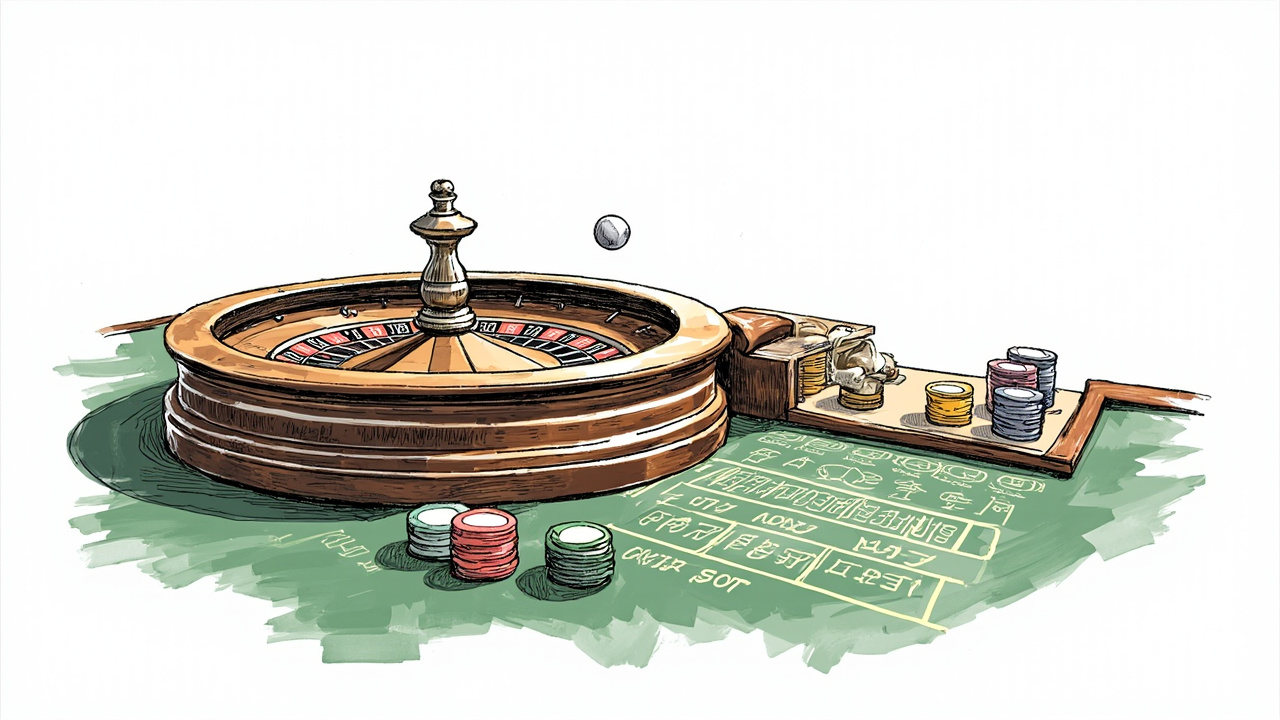
Card games reward patience more than speed, and the first rule worth internalising is that every table publishes its own pace and betting structure. Blackjack moves in rounds of deal, stand, hit, or double, with the house edge shifting noticeably when you chase a soft eighteen against a dealer’s nine. Baccarat strips the decision down to banker, player, or tie, and the commission on winning banker bets is the quiet detail that changes your long-run expectation. I once watched a luxury resort in Manila run a private poker salon where the real differentiator was not the décor but how clearly the floor staff explained table limits, reshuffle timing, and the exact moment a side bet closed. That same clarity is what separates a relaxed session from a costly guess. When you are scanning a Brisbane venue’s floor or a digital equivalent, look for posted minimums, explicit reshuffle rules, and a written explanation of how dealer mistakes are handled. The best card rooms do not hide those details behind a wall of marketing copy; they put them where you can read them before the first card lands.
| Game | Core Decision Point | Typical House Edge Range |
|---|---|---|
| Blackjack | Hit, stand, double, split against dealer upcard | Roughly 0.5-2% depending on rules and play |
| Baccarat | Banker, player, elvis-frog-trueways-online-au.com or tie bet | Around 1.0-1.5% on main bets |
| Three Card Poker | Ante and play decision after seeing your hand | Varies by paytable and bonus structure |
Two Player-Fit Scenarios for Card Tables
Not every card player wants the same session, and the rules you care about shift depending on how you like to play. If you are the sort who prefers a measured arvo session with a clear exit point, a baccarat table with fixed minimums and a visible commission schedule is often the cleaner fit. You are not making split-second decisions; you are reading a simple layout, placing a bet, and watching the draw. If you enjoy holding your own hand and weighing risk against reward, blackjack rewards practice more than luck, and the rules around doubling, splitting, and late surrender are the exact details worth learning before you commit. I have seen growth campaigns misfire when they assumed every player wanted the same pace, and card rooms run the same risk when they push one table style as if it suits everyone. A room that offers both a slower baccarat lane and a busier blackjack pit, with posted limits on each, gives you room to choose rather than forcing you into a single rhythm. That choice matters because the rules you follow are only useful when they match the session you actually want.
Account Controls, Support, and the Quiet Details
The rules on the felt are only half the picture, because the other half is how a venue handles your account when you are not at the table. Licensing information should be easy to find, not buried under a footer link, and security practices need to cover more than a generic promise about encrypted data. I have reviewed product rollouts where the flashy feature got all the attention while the account controls were an afterthought, and card play is no place for that gap. Look for clear deposit limits, session timers, and a straightforward way to pause or self-exclude if the pace stops feeling right. Support should be reachable without wading through a maze of canned replies, and privacy handling should tell you what data is collected and why, not just that it is “protected.” When you are comparing options, a venue that treats responsible-play tools as core infrastructure rather than a compliance checkbox is usually the one that respects your time and your bankroll. That kind of setup does not make the cards fall your way, but it does keep the session honest.
- Confirm the licence and regulatory details are listed in plain language, not hidden behind a generic footer.
- Check that deposit limits, loss limits, and session timers are available before you fund an account.
- Verify support channels include a real response path, not only an automated ticket system.
- Read the privacy notice for what is collected, how long it is kept, and whether it is shared with third parties.
- Make sure self-exclusion and cooling-off tools are active and easy to start, not buried in settings.
Mobile Play, Loyalty, and What Actually Follows the Rules
Card rules travel well to mobile, but the experience is only as solid as the way a venue handles balance checks, bet confirmation, and table lag. A clean mobile layout should let you see the current hand, your bet, and any side-action without squinting at a cramped screen, and the same posted rules from the felt should carry across without being rewritten into something vaguer. I have seen tech teams in Southeast Asia treat mobile as a separate product, then discover that players notice the moment bet history, table limits, and rule summaries stop matching the desktop version. Loyalty programs in Australia track player activity to reward regular patrons with perks, but the useful ones tie those perks to clear activity records rather than vague status tiers. If a venue promises rewards, the terms should tell you what counts, what does not, and how a payout or bonus interacts with the card rules you are actually playing. That kind of consistency is what keeps a session from feeling like two different games depending on how you log in.

Playing the Long Game With Card Rules
Card tables are built on rhythm, posted limits, and a clear explanation of how each hand resolves, and that is the part worth learning before you commit a single chip. The rules do not make the cards fall your way, but they do tell you what you are actually signing up for, from dealer protocols to table minimums and the quiet commission on a banker bet. If you are weighing where to sit down, look for a venue that puts its card rules, account controls, and support details in plain view rather than behind a glossy front page. A measured Brisbane session, a clear exit point, and a room that treats responsible play as real infrastructure are the details that turn a casual arvo into something you can repeat without the noise.